Computing & Cybersecurity
Transformative processing capacity and resilient data protection
UConn researchers are advancing computing and cybersecurity by developing high-performance algorithms, secure networks, and quantum-enabled systems for real-world applications. Their work spans cloud and distributed computing, data-driven decision-making, and resilient information protection, translating foundational research into practical solutions. Through NSF and industry partnerships, these efforts deliver transformative technologies while training the next generation of experts who will drive innovation in secure and high-performance computing across diverse sectors.

Monika Filipovska
Assistant Professor, Civil and Environmental Engineering
Filipovska develops data-driven approaches to improve resilience, routing, and operations in dynamic transportation networks. She pioneers quantum information science applications in transportation, trains students in quantum-aware optimization, and partners with state and industry collaborators to translate methods into deployable mobility solutions.
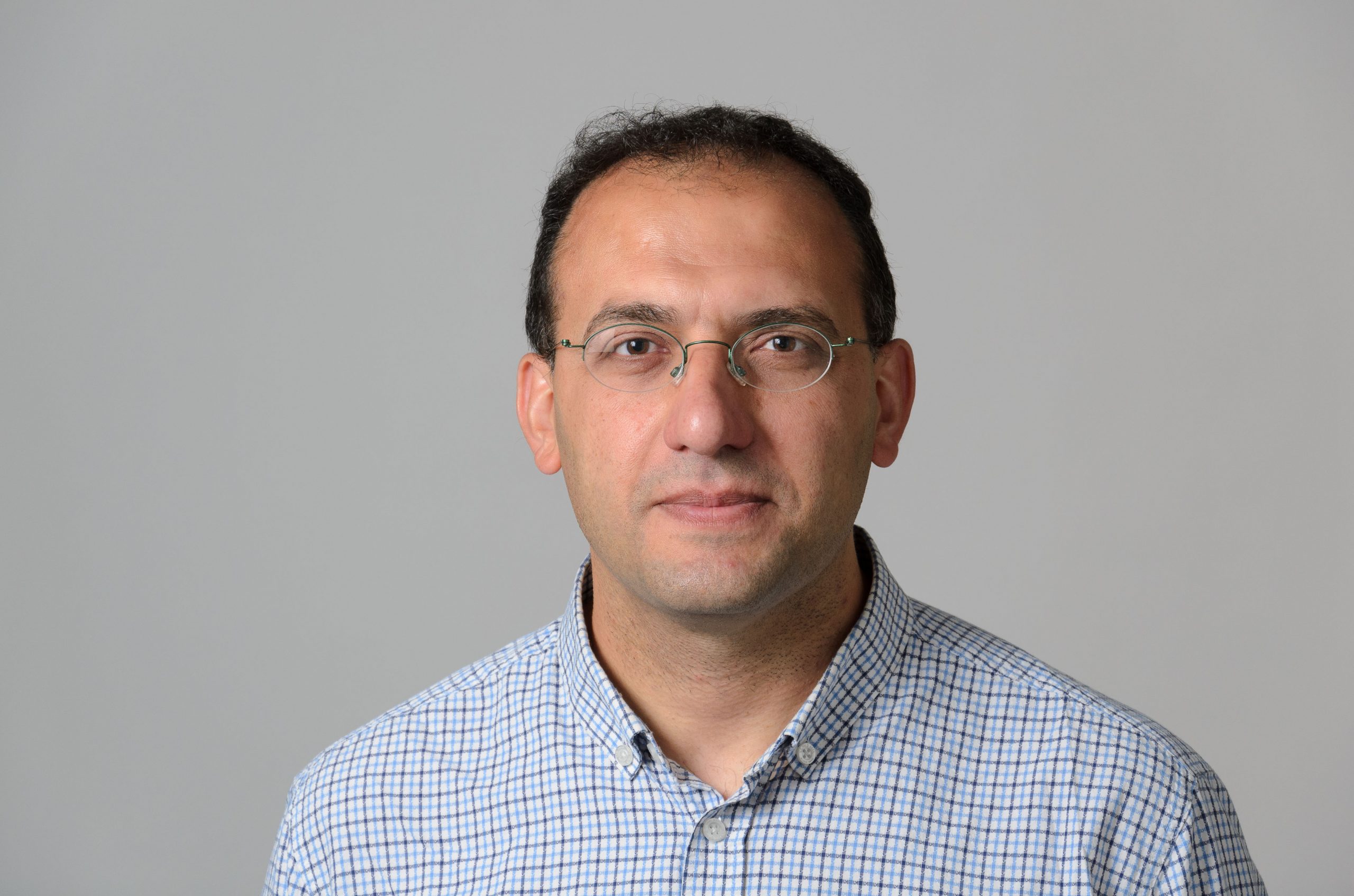
Ali Gokirmak
Professor, Electrical & Computer Engineering
Gokirmak leads research in nanoelectronics, focusing on phase-change memory, electronic and thermoelectric transport and electro-thermal processes at small scales, and materials for emerging electronics. His expertise are in nanoscale and microscale device fabrication, electrical characterization at high and low temperatures, and finite element multi-physics modeling of devices and materials. His primary interest is on fundamental studies related to practical leading edge electronic devices such as memory and logic devices, and Josephson junctions. He mentors students and collaborates with industry to translate discoveries and innovations in electronic device technologies into practical applications.

Bahram Javidi
Board of Trustees Distinguished Professor and SNET Endowed Chair, Electrical and Computer Engineering
Javidi is a leading researcher in multidimensional optical imaging, sensing, and information security. His work in 3D imaging, digital holography, and information optics has applications in biomedical diagnostics, cybersecurity, and industrial sensing. He has received major awards and holds patents licensed for industry use.

Walter O. Krawec
Associate Professor, School of Computing
Krawec specializes in quantum cryptography and information theory, developing protocols that leverage minimal quantum resources for enhanced security. He has advanced semi-quantum key distribution and entropic uncertainty methods, while training students in quantum information science to contribute to the next generation of researchers.

Chang Liu
Assistant Professor, School of Mechanical, Aerospace, and Manufacturing Engineering
Liu studies fluid dynamics, nonlinear systems, control theory, and optimization, with a focus on turbulence. He develops interdisciplinary methods for reduced-order modeling and explores quantum computing techniques for hydrodynamic stability, connecting advanced computational approaches with fundamental and applied fluid dynamics research.
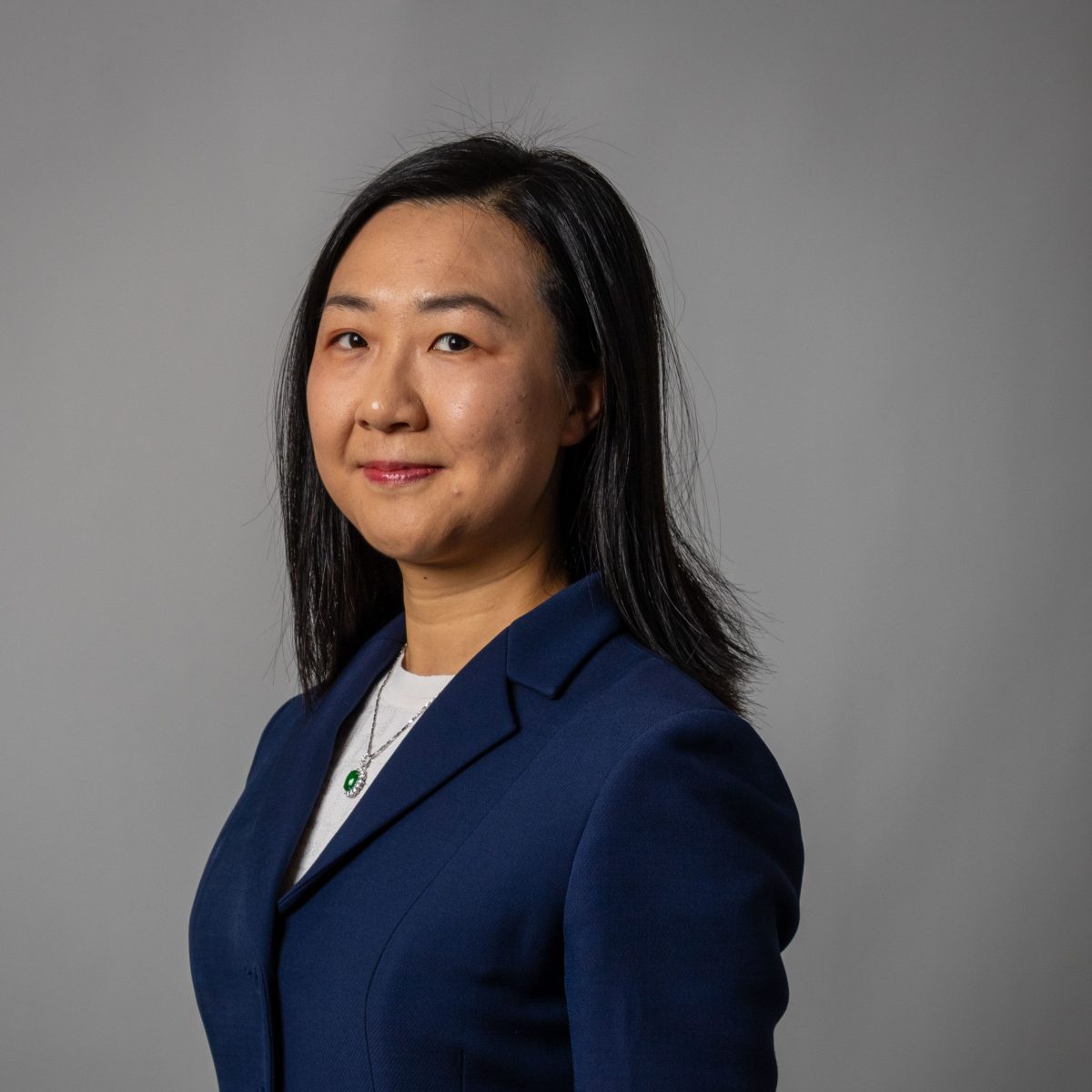
Fei Miao
Pratt & Whitney Associate Professor, School of Computing
Miao focuses on cyber-physical systems, uncertainty quantification, and data-driven optimization. She integrates quantum approaches through projects like “Quantum Algorithms for Constrained Combinatorial Optimization,” exploring multi-agent reinforcement learning and quantum computing to enhance optimization methods in complex, real-world systems.
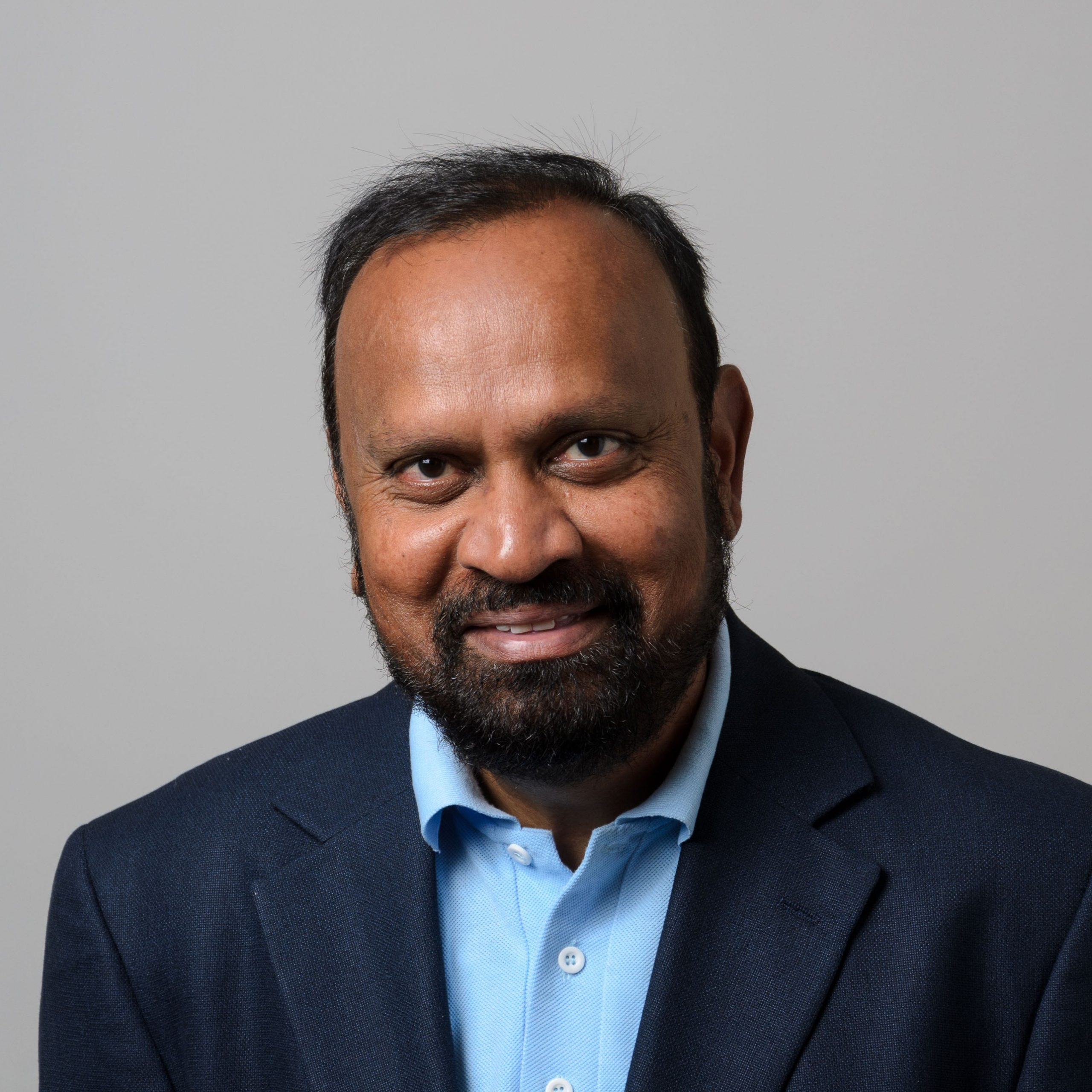
Sanguthevar Rajasekaran
Board of Trustees Distinguished Professor and Pratt & Whitney Chair, School of Computing
Rajasekaran researches quantum and classical algorithms for high-performance simulation, data analysis, and materials modeling. He advances big-data and quantum-enabled computing, mentoring graduate researchers, and collaborates with the startup QuaSIM to translate algorithmic innovations into industry-ready quantum simulation tools.

Helena Silva
Professor, Electrical and Computer Engineering
Helena Silva — Professor, Electrical & Computer Engineering
Silva’s research spans electronic and optoelectronic materials and devices for computing, sensing, and energy systems. She focuses on technologies with industry translation pathways—connecting materials science to device physics and engineering.
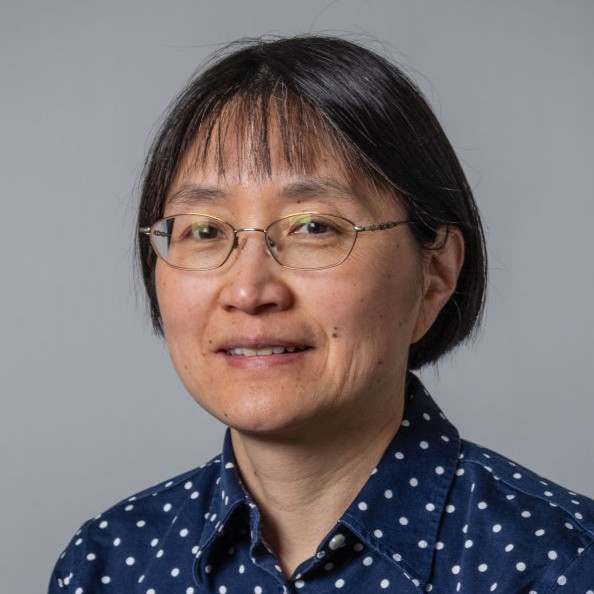
Bing Wang
Professor, School of Computing
Wang studies computer networks, distributed systems, cybersecurity, quantum networks, and quantum algorithms. She develops secure communication and next-generation infrastructure solutions, bridging foundational quantum networking research with practical applications through collaborations with industry and academic partners.

Brian Willis
Professor, Chemical & Biomolecular Engineering
Willis spearheads nanofabrication, atomic layer deposition, and plasmonics, mentoring students in nanoscale device development. His lab translates materials science innovations—such as nanoparticle devices and plasmonic coupling—toward industry-relevant applications in single photon emission.
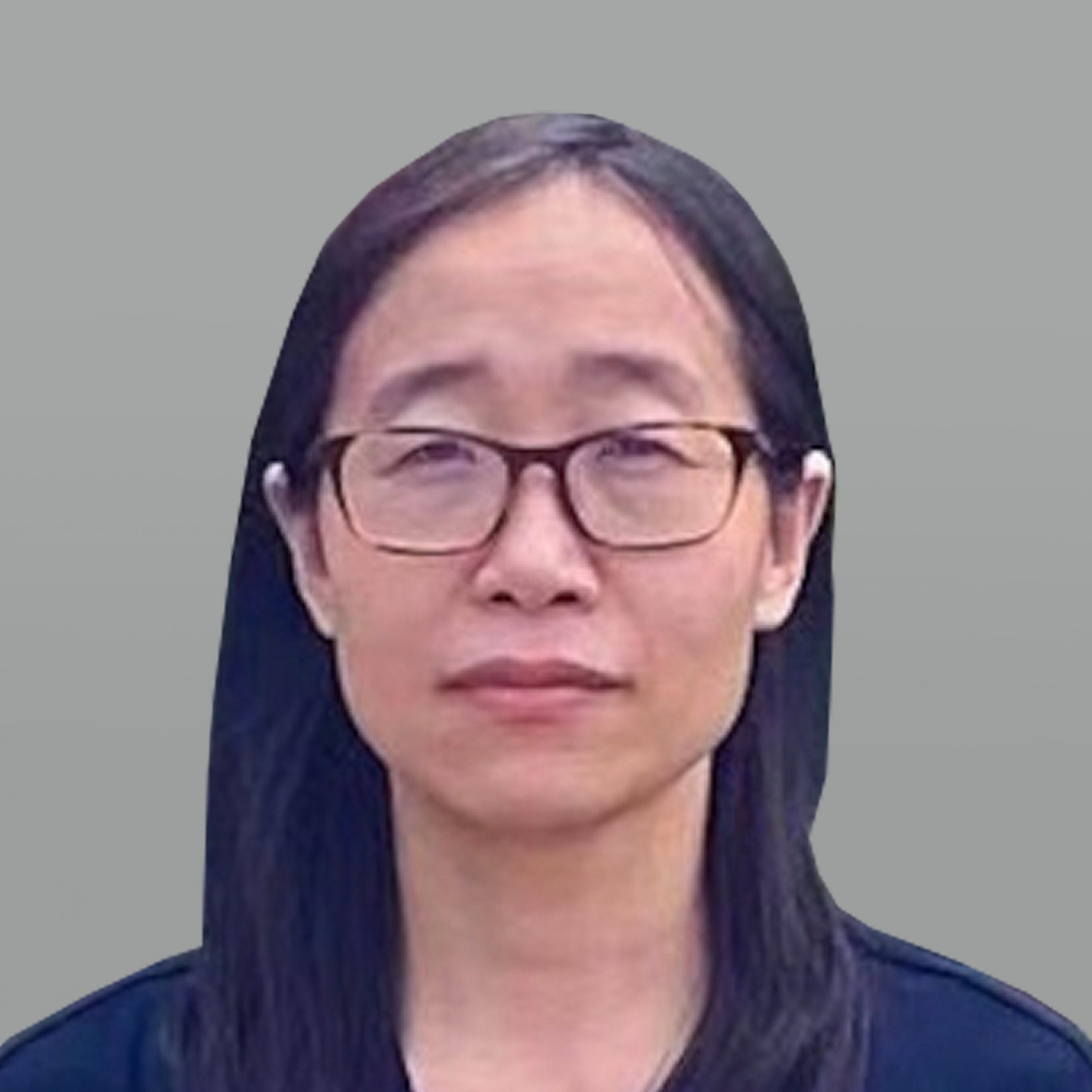
Wei Zhang
Assistant Professor, School of Computing
Zhang’s research focuses on cloud computing, distributed systems, machine learning infrastructure, and system security. Her recent interests also include quantum networking and resource management for quantum computing, where she explores how principles of classical computing resource management can be extended to emerging quantum technologies.
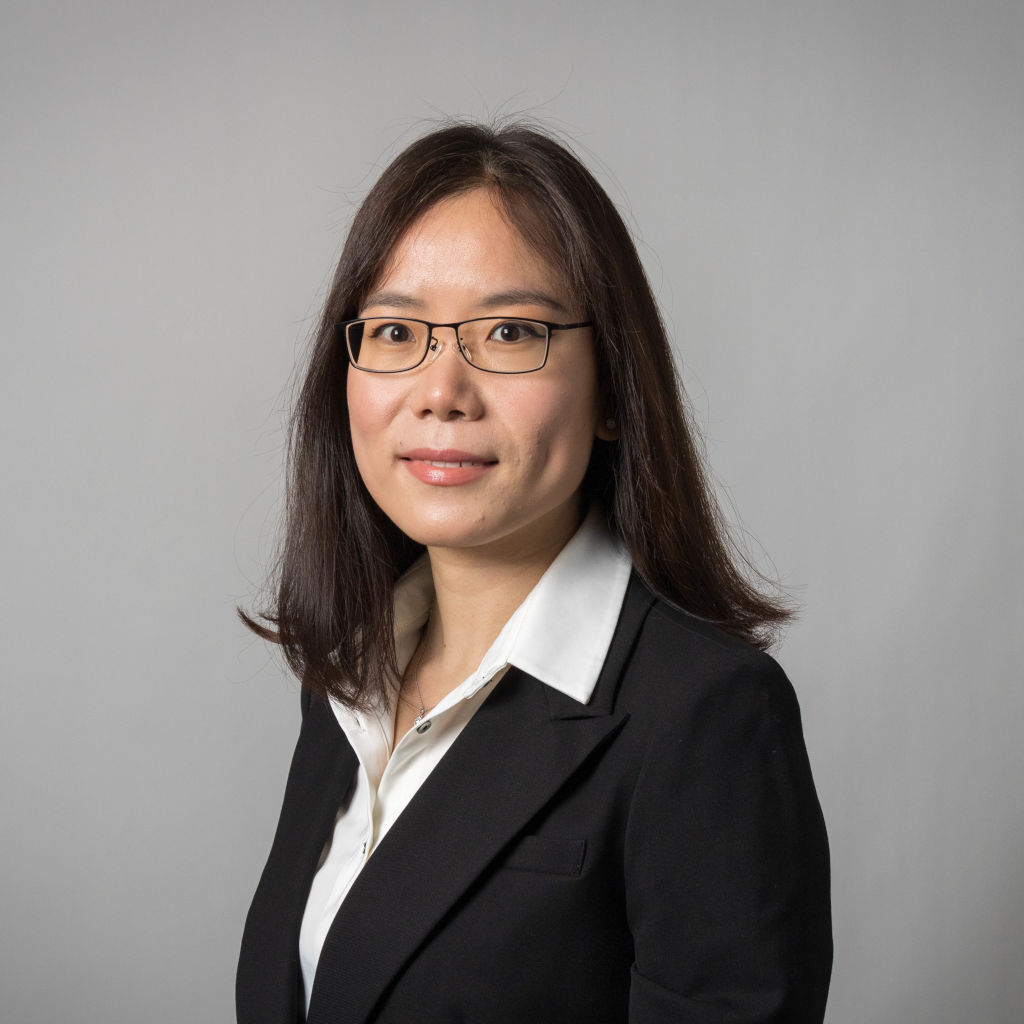
Shan Zuo
Assistant Professor, Electrical and Computer Engineering
Zuo focuses on enhancing multi-agent cyber-physical systems with reasoning, resilient, and safe autonomy, with applications in robotics, power systems, and transportation. She develops robust and resilient autonomy and control frameworks to enable fault-tolerant quantum computing and attack-resilient quantum communication, leading projects funded by the U.S. Nuclear Regulatory Commission and participating in QuantumCT, a UConn-Yale collaboration advancing quantum technologies.