Energy Security
Innovative materials and pathways for sustainable energy
UConn researchers are driving innovations in sustainable energy through advanced materials, catalytic processes, and next-generation sensing and separation technologies. Their work spans nanomaterials, bioelectrochemical systems, and data-driven modeling to improve energy efficiency, resource recovery, and environmental resilience—bridging quantum-scale discovery with large-scale implementation to create cleaner, more secure, and more sustainable energy pathways for the future.
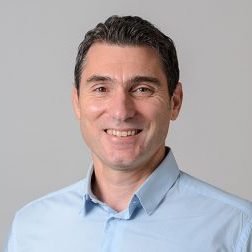
Emmanouil Anagnostou
Board of Trustees Distinguished Professor & Eversource Energy Endowed Chair, Civil & Environmental Engineering; Executive Director, UConn Tech Park
Anagnostou advances remote sensing hydrology, climate-driven water-cycle modeling, and infrastructure-resilience research, with internationally adopted satellite-radar precipitation algorithms and patented outage-prediction tools. His work on rainfall retrieval, uncertainty quantification, and extreme-weather forecasting informs global flood prediction and real-world utility operations.
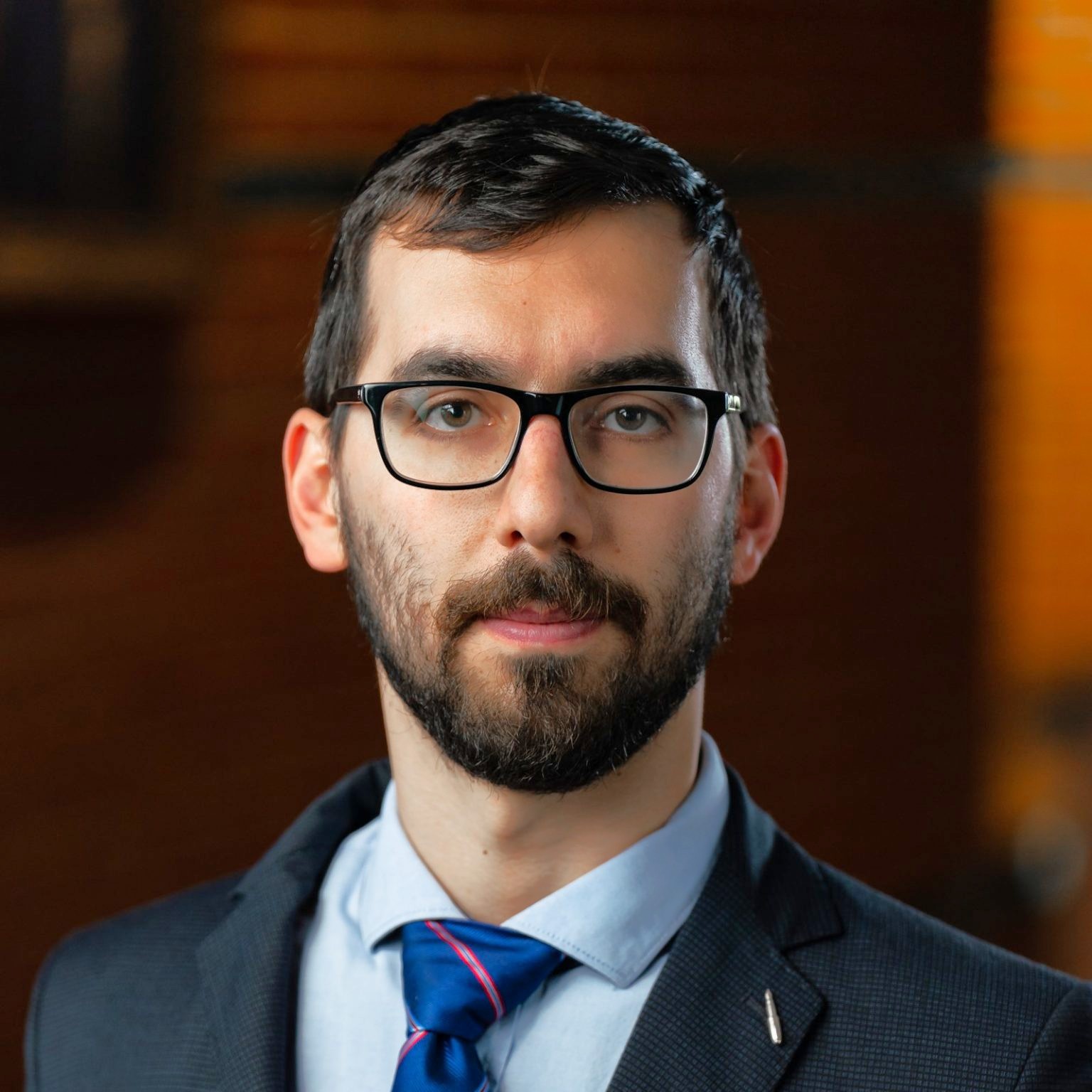
Diego Cerrai
Assistant Professor & Interim Director, Eversource Energy Center, Civil & Environmental Engineering
Cerrai leads research at the intersection of precipitation microphysics, physics-based weather modeling, and energy-infrastructure resilience, integrating NASA snowfall data and machine-learning methods to predict storm-induced outages and restoration times. Supported by an NSF CAREER Award, he develops operational tools used by utilities to strengthen grid reliability and climate-resilience planning.

Jason Hancock
Professor & University Teaching Fellow, Physics / Institute of Materials Science
Hancock investigates experimental condensed-matter physics, emphasizing quantum-relevant systems such as topological materials, superconductors, and structural quantum phase transitions. He leads students in spectroscopy-based studies of charge excitations, connecting foundational quantum materials research with applications of technological interest.
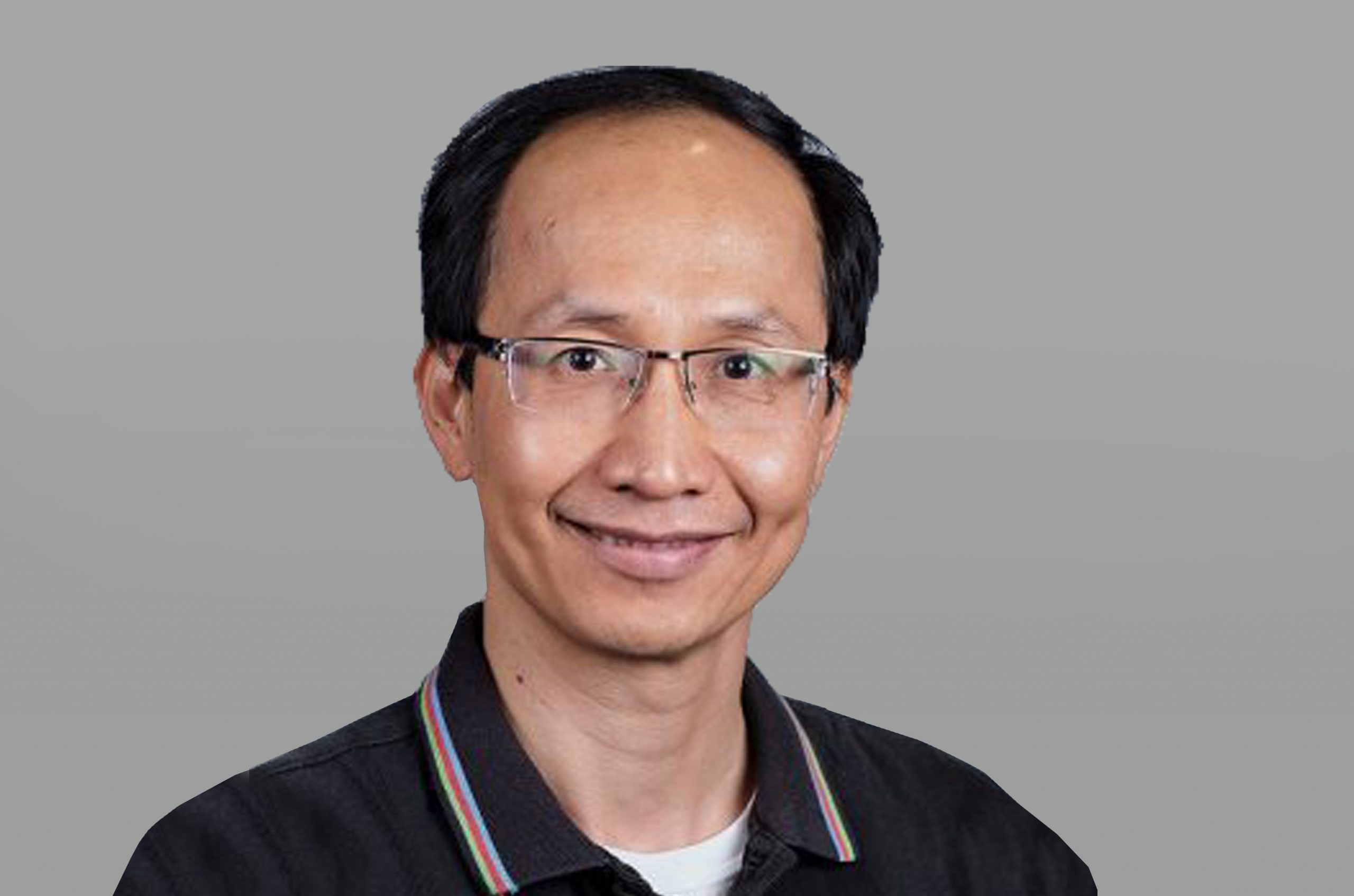
Anh-Thu Le
Assistant Professor, Physics
Le is an AMO theorist studying attosecond and strong-field physics, high-harmonic generation, and light-matter interactions, including nonclassical light — foundational areas for quantum control and measurement. He contributes to outreach and advanced training in ultrafast and quantum optics.
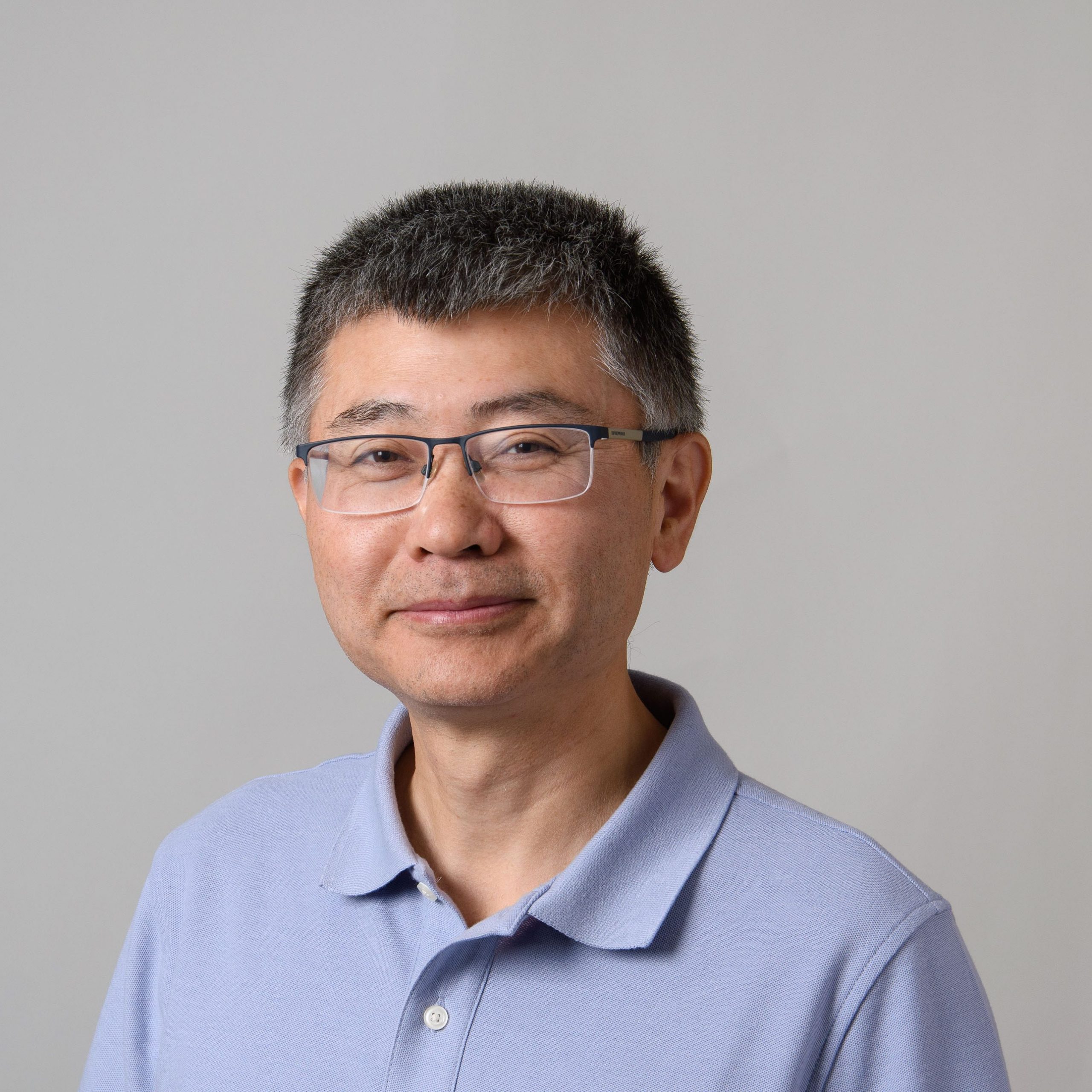
Yu Lei
Professor, Chemical & Biomolecular Engineering
Lei develops nanostructured materials and ultrasensitive biosensing platforms for biomedical and environmental applications. His lab synthesizes novel nanomaterials and advances translational pathways toward industry deployment, supporting interdisciplinary collaborations that bring materials-enabled sensing technologies into practical, real-world use.
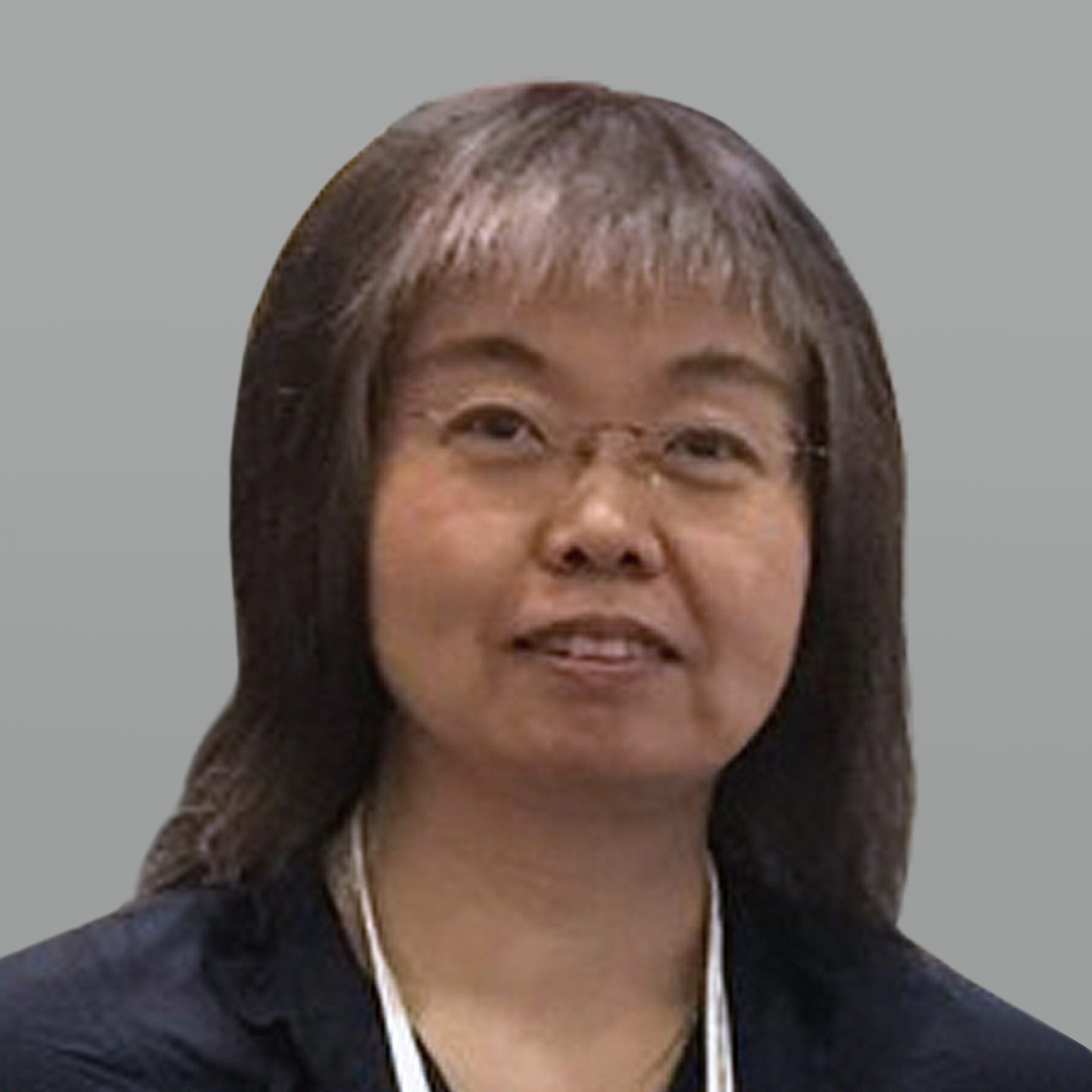
Baikun Li
Centennial Professor, Civil & Environmental Engineering
Li researches bioelectrochemical systems, resource recovery from waste streams, frontier electrochemical sensor development, and real-time in situ monitoring of dynamic water and wastewater treatment systems. Her work bridges fundamental bioelectrochemistry with field-deployable devices, supporting scalable sensors and bioenergy systems. Li has been a proactive advocator for UConn initiatives advancing quantum technology applications and other advanced technologies.
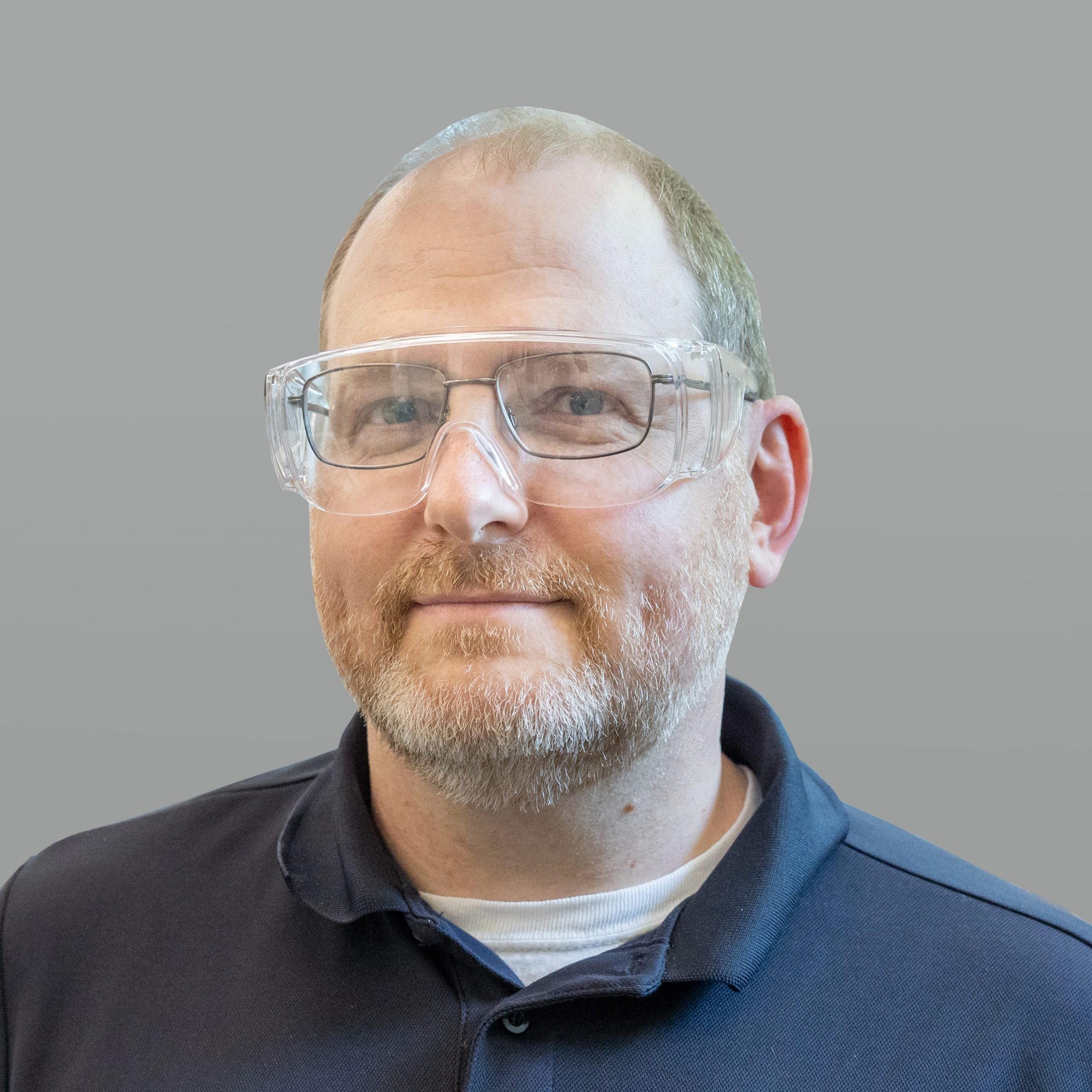
Jeffrey McCutcheon
General Electric Professor of Advanced Manufacturing, Chemical & Biomolecular Engineering
McCutcheon leads membrane separations and scale-up research at UConn’s Connecticut Center for Applied Separations Technology. His lab develops energy-efficient membrane processes and works with multiple agency and industry partners to translate separations research into practical solutions for water treatment, energy generation, and resource recovery.

Malaquias Peña
Associate Research Professor, Civil & Environmental Engineering
Peña focuses on environmental monitoring and analytics, infrastructure resilience, and data-driven modeling for energy and transportation systems. He develops operational nowcasting and resilience tools and collaborates with utilities and state partners to translate modeling research into actionable planning and infrastructure solutions.

Sanjubala Sahoo
Research Professor, Materials Science & Engineering / Institute of Materials Science
Sahoo applies quantum modeling to design advanced catalytic and energy materials. Her computational research connects materials physics and chemistry with experimental partners, supporting the discovery and optimization of quantum materials for environmental sustainability, energy storage and conversion, and carbon capture. By using the synergies of quantum sensing and quantum computing, she advances next-generation technologies that enable precise monitoring and effective mitigation of environmental challenges for a sustainable future.
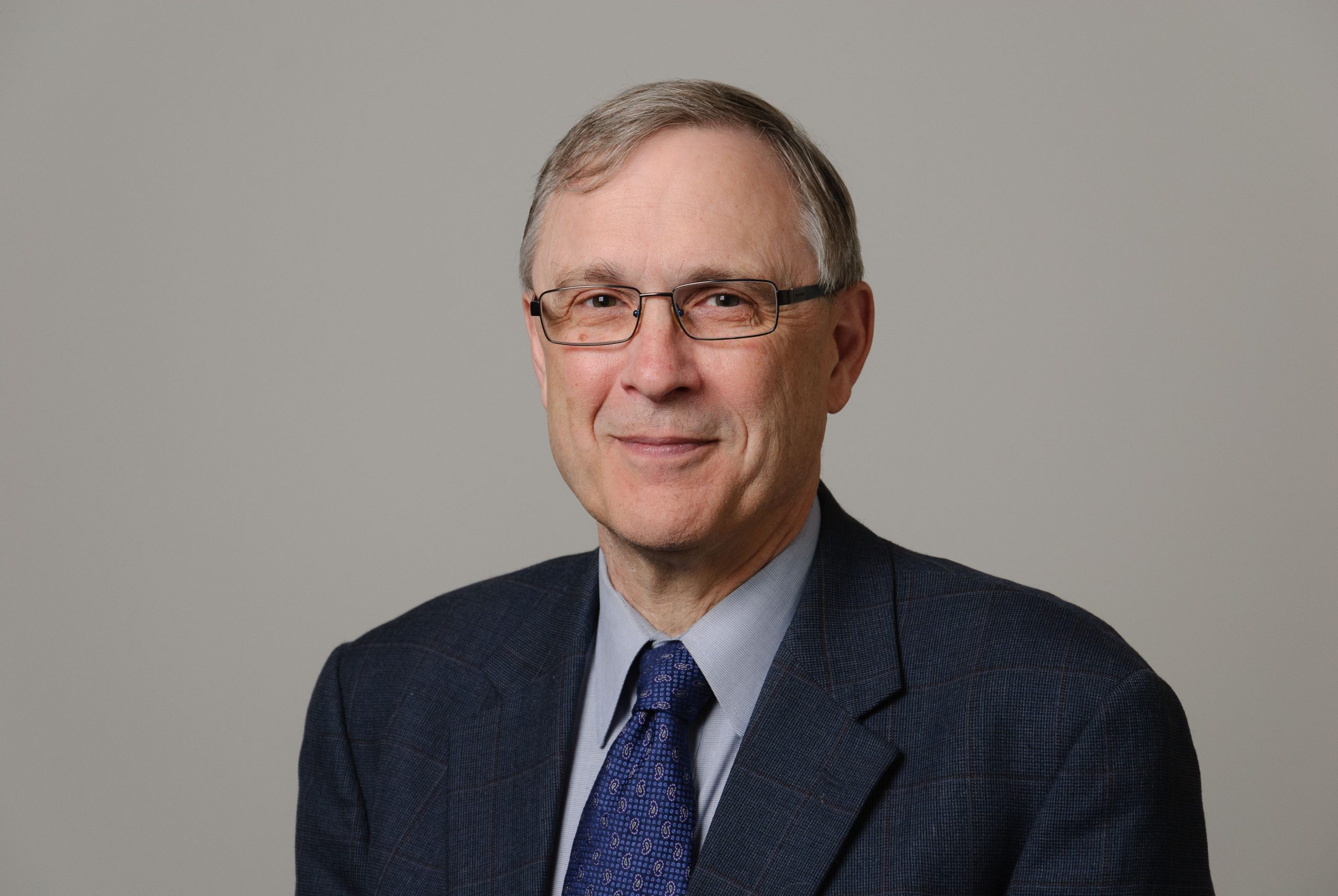
Steven Suib
Board of Trustees Distinguished Professor, Chemistry; Director, Institute of Materials Science
Suib’s prolific research in materials chemistry covers nanoporous materials, catalysis, coatings, ceramics, and sensing with extensive publications, patents, and licensed technologies. He leads large interdisciplinary teams and advanced materials and sensing platforms with industrial translation pathways for environmental and energy applications.
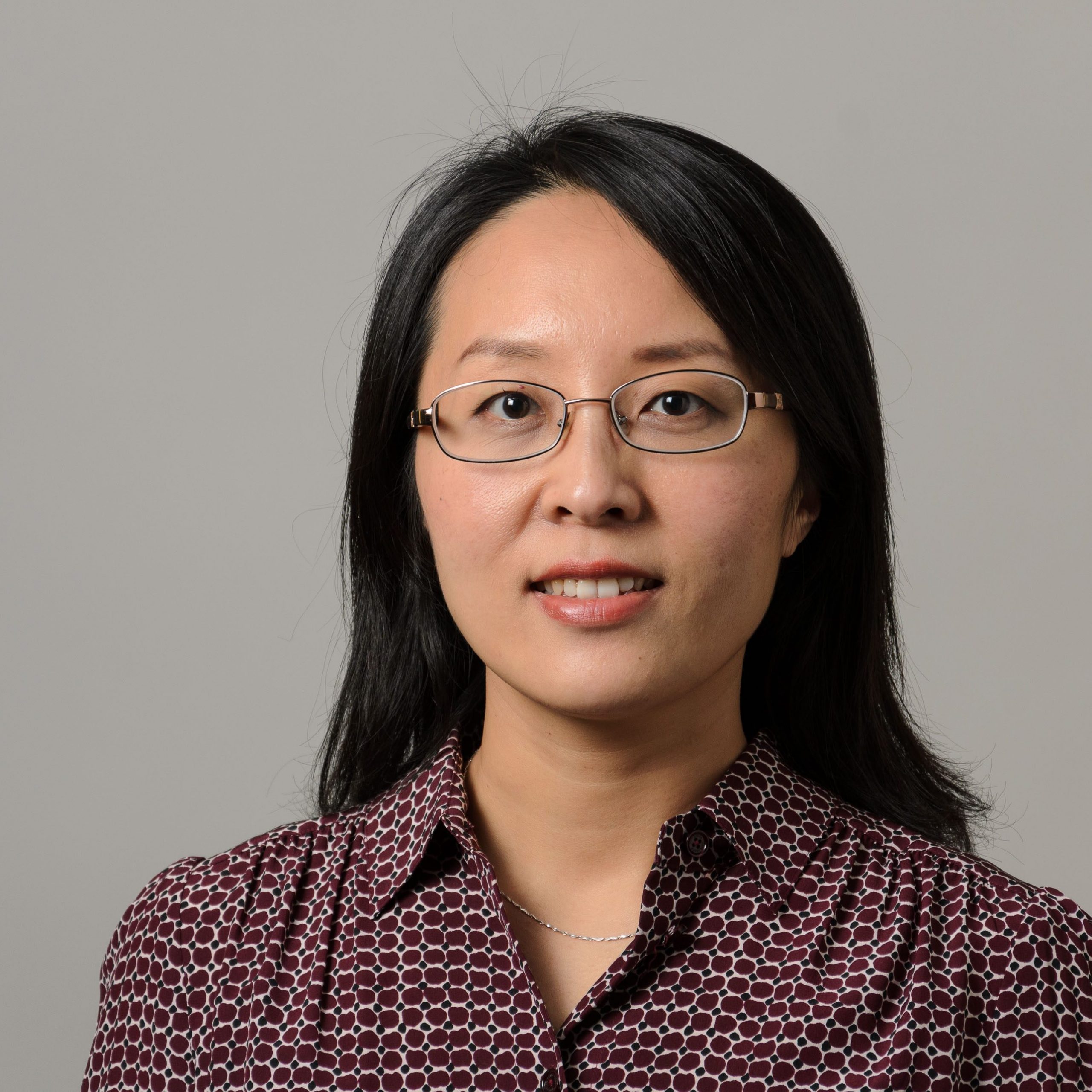
Jing Zhao
Professor & Associate Department Head, Chemistry / Institute of Materials Science
Zhao studies nanostructured metallic and semiconductor materials and their optical/electronic properties for sensing and energy applications. Her lab integrates synthesis, nano-optical characterization, and applied studies to advance plasmonic and excitonic nanomaterials, translating laboratory discoveries into industrially relevant devices.