UConn’s Quantum Research Ecosystem
From pioneering nanofabrication to advanced computational modeling, UConn is advancing quantum science and engineering through a world-class network of facilities, faculty, and industry partnerships. Building on more than 25 years of sustained investment in STEM infrastructure, UConn and UConn Health provide a comprehensive ecosystem for quantum research, with facilities for materials science, device fabrication, nanoscale imaging, high-performance computing, and translational innovation—enabling collaboration with industry, government, and academic partners.
Science 1
Home of the Institute of Materials Science (IMS)
Science 1 is UConn’s flagship research and teaching facility, and the home of the Institute of Materials Science (IMS). With 198,000 square feet of research laboratories, core facilities, faculty offices, and collaborative spaces, Science 1 integrates cutting-edge research and hands-on education.
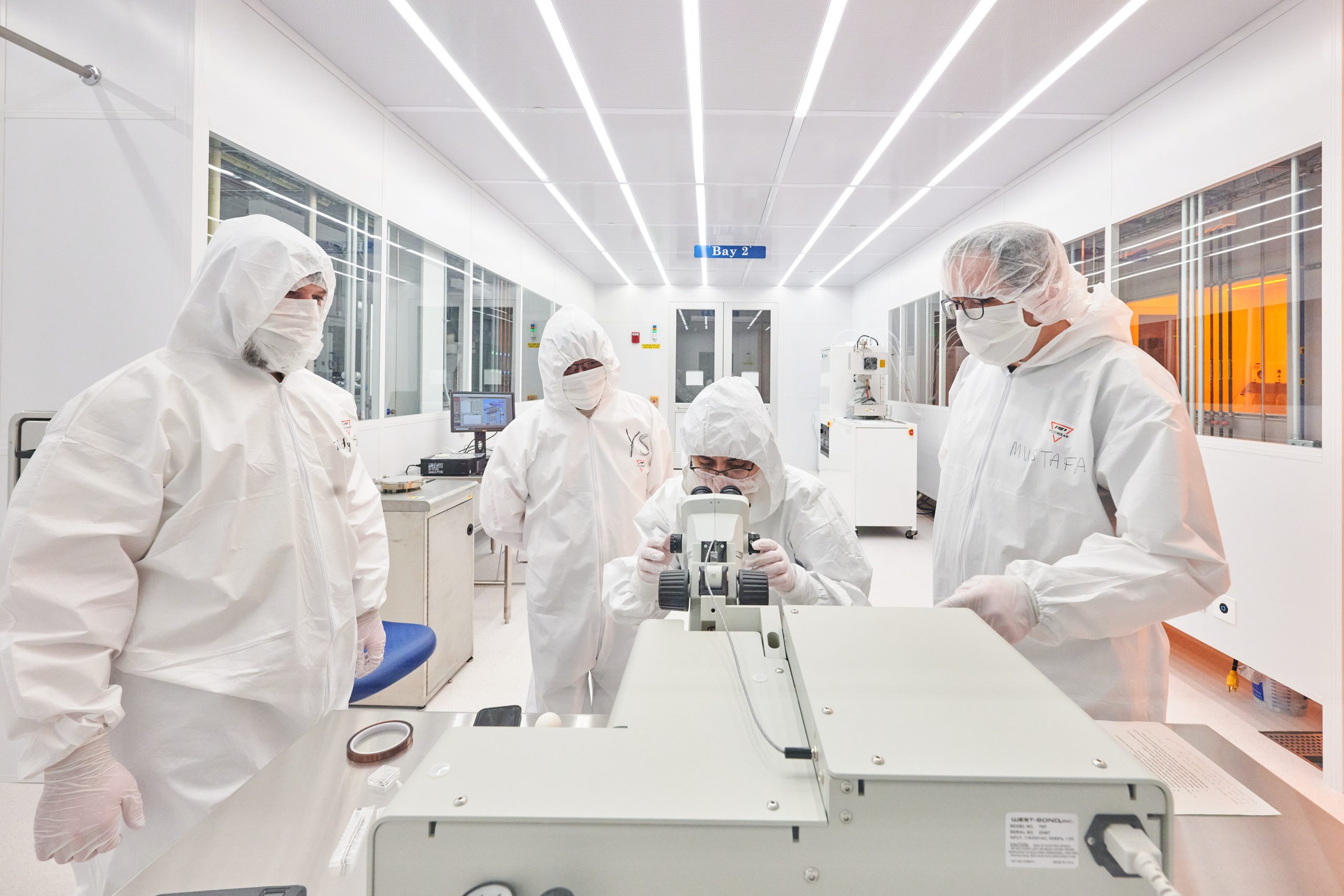
Key features include:
- Cleanrooms and vibration-controlled labs for nanofabrication, quantum materials research, and precision measurement
- Advanced instrumentation for atomic-level imaging, spectroscopy, and structural analysis
- Sustainability and energy efficiency systems supporting carbon neutrality goals
Institute of Materials Science (IMS) Capabilities
IMS provides extensive tools supporting research in quantum-relevant materials:
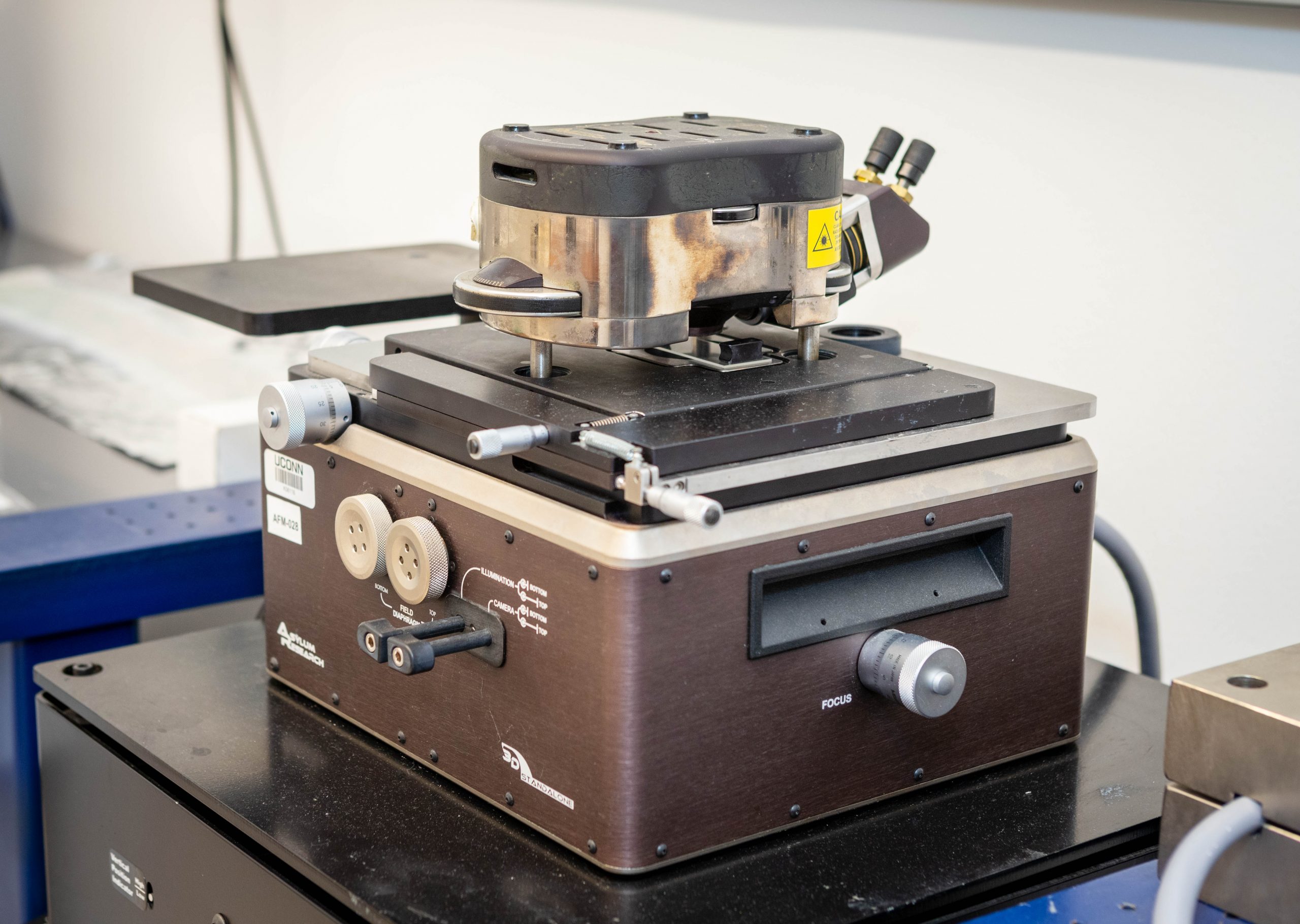
- Atomic Force Microscopy (AFM) for nanoscale imaging and electronic property mapping
- Electron Paramagnetic Resonance (EPR) for spin-state and magnetic studies
- High-field NMR systems for materials chemistry and structural characterization
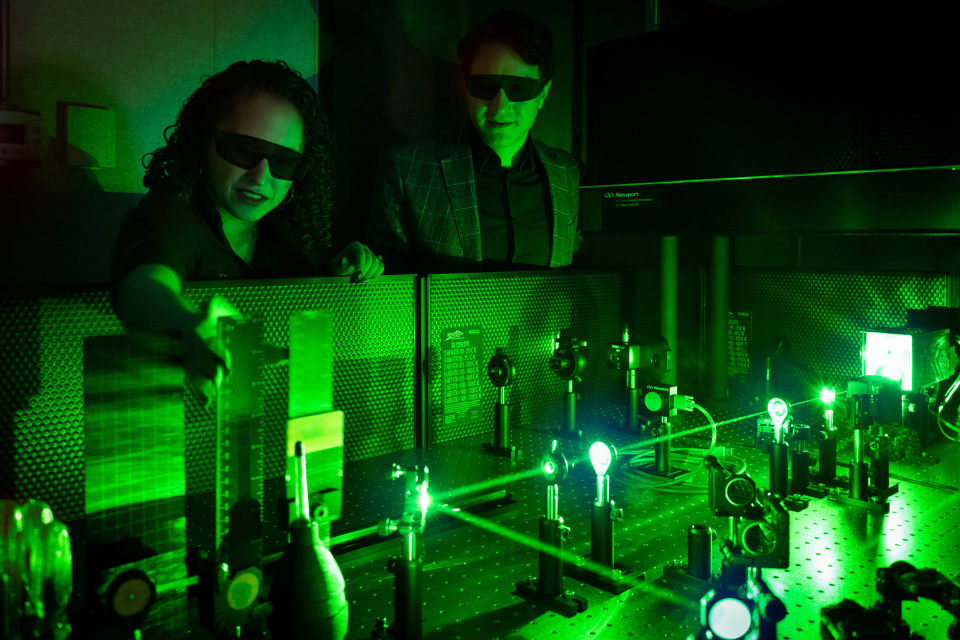
- Raman, FTIR, UV–Vis–NIR spectroscopy for lattice and optical properties
- X-ray diffraction and scattering for thin films, crystals, and nanoscale analysis
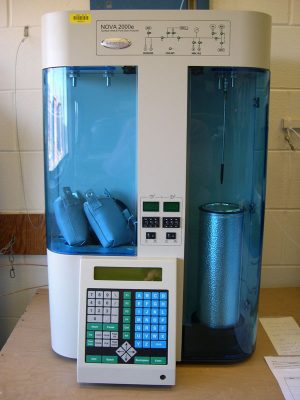
- Thermal, surface area, and porosity analysis for sensors, quantum devices, and energy materials
UConn Tech Park
Innovation Partnership Building (IPB)
Tech Park is a hub for advanced materials research and industry collaboration. Facilities that support and enable quantum science-related applications include:
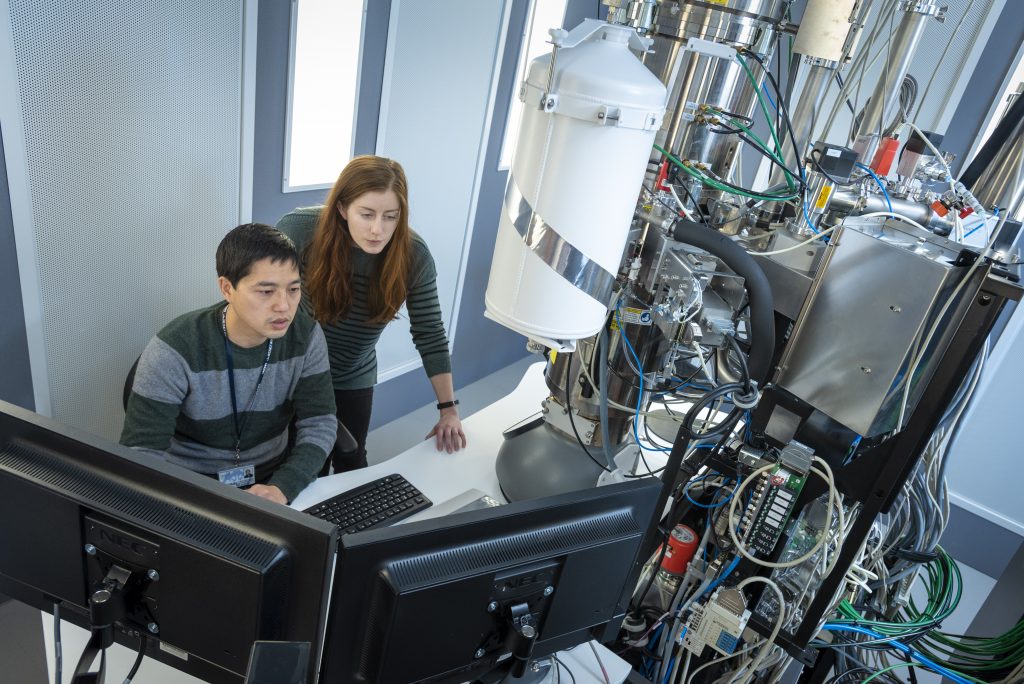
Thermo Fisher Scientific Center for Advanced Microscopy and Materials Analysis (CAMMA)
Atomic-resolution electron microscopes (Titan Themis ACEM, Talos 200 S/TEM) for nanoscale imaging and materials characterization
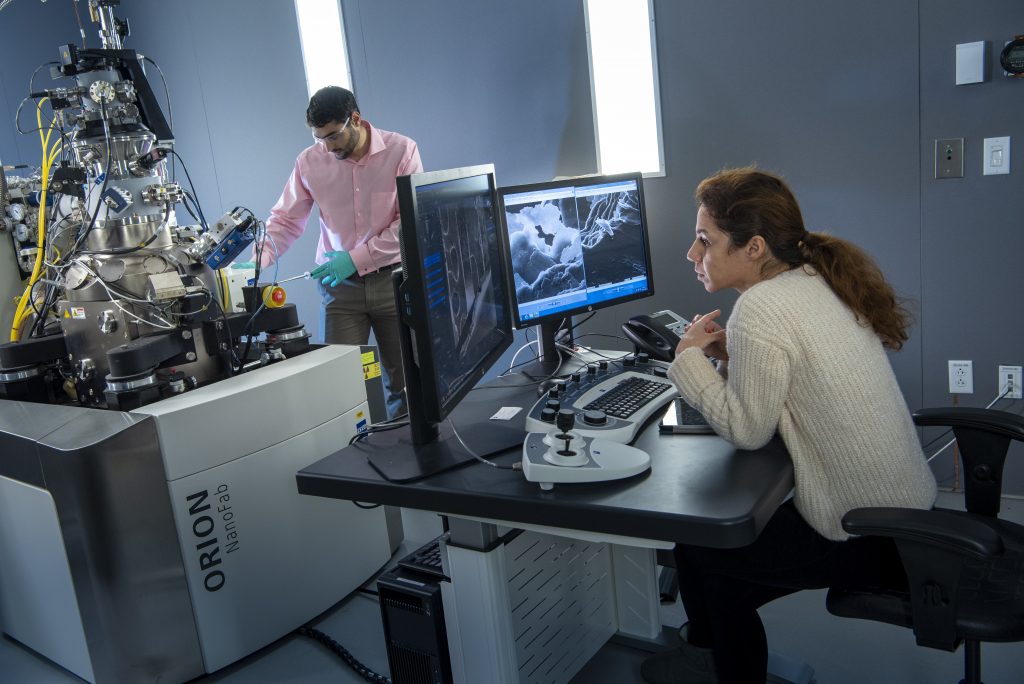
Reverse Engineering, Fabrication, Inspection & Non-Destructive Evaluation (REFINE)
Nanofabrication and tomography tools (ZEISS ORION Nanofab, Xradia 520 Versa) for device development and structural analysis
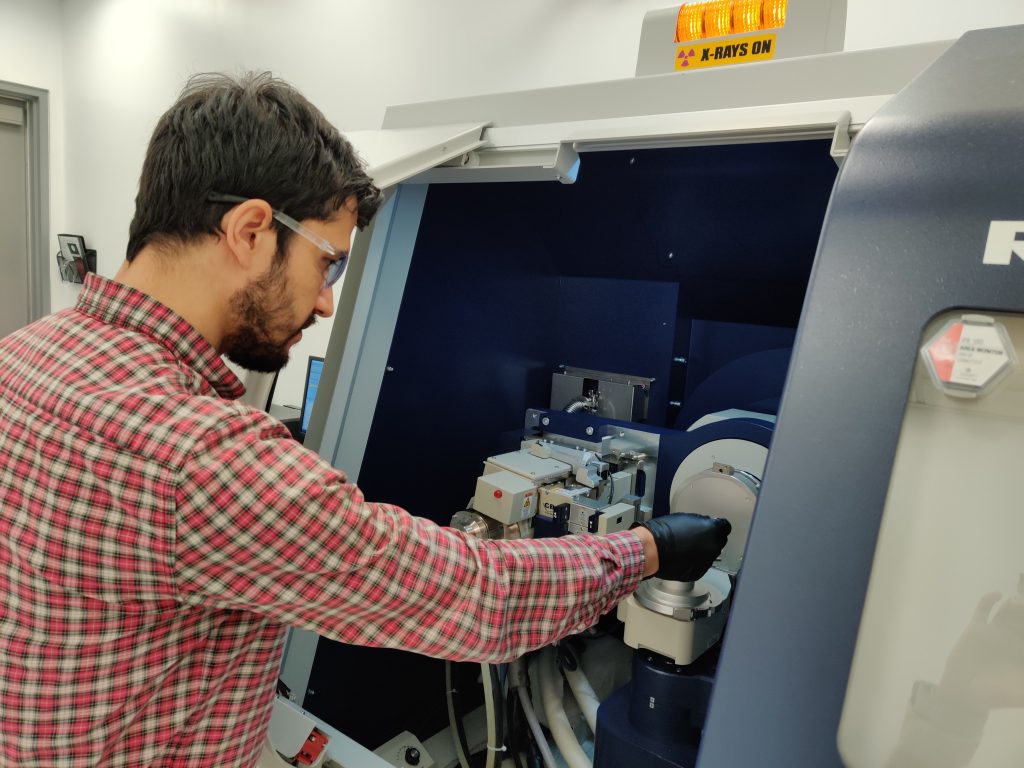
X-ray and Microanalysis Labs
High-resolution XRD and XRF for crystallography, thin-film characterization, and quantum materials studies
High Performance Computing (HPC)
UConn HPC clusters support quantum algorithm development, electronic structure modeling, and large-scale simulation. Resources are available campus-wide and at UConn Health, enabling high-fidelity modeling and data-intensive studies across physics, materials, and interdisciplinary research.
Additional Resources
Advanced Microscopy, Imaging, and Spectroscopy
- Researchers in Physics, Chemistry, and Materials Science and Engineering access confocal, electron, and atomic force microscopy, as well as advanced spectroscopic tools for nanoscale imaging, materials characterization, and quantum-relevant optical studies.
Magnetometry & Superconducting Quantum Interference Device (SQUID)
- Physics and Materials Science and Engineering laboratories provide magnetometry and SQUID systems for probing superconductivity, spin dynamics, and nanoscale magnetic phenomena in quantum materials.
Nanofabrication & Thin-Film Deposition
- Facilities in Physics, Chemistry, and Materials Science and Engineering offer cleanroom and thin-film deposition tools, enabling fabrication of nanoscale structures and quantum devices for research in materials and quantum technologies.
UConn Health Facilities
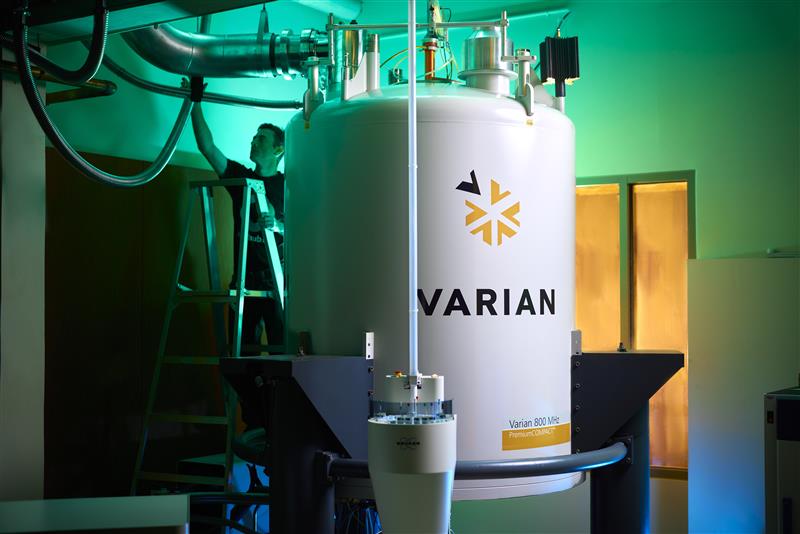
UConn Health provides specialized resources for research at the intersection of quantum science, advanced materials, and biomedical discovery, supporting applications in cellular imaging, molecular analysis, and translational studies, including:
- High-field NMR systems (up to 800 MHz)
- Central Electron Microscopy Facility (SEM/TEM)
- Super-resolution optical imaging (Zeiss LSM 780/880, ELYRA 7 SIM2)
- Biophysical instrumentation for calorimetry, fluorescence, and spectropolarimetry
- Dedicated HPC and computational biology cores
All Research Facilities
Visit the Center for Open Research Resources and Equipment (COR²E) to view a full list of research facilities available at UConn.